
Natural Carpets: Wool, Sisal, Jute & Seagrass
A wide collection of natural fibre carpets, perfect for those looking for a down-to-earth feel, eco-friendly options avoiding VOCs, calming neutral tones or those with allergy issues. Get in touch for a complete supply and fitting service, bringing our mobile showroom directly to you, right across Swindon and Wiltshire.
Choosing Natural Fibre Over Traditional Carpet?
Natural fibre carpets offer eco-friendly style and durability, but they behave differently from traditional synthetic carpets. They can be harder-wearing or more delicate depending on the fibre, may need specialist installation, and are best suited to certain rooms. Natural carpets benefit from:
- Eco-friendly: Made from renewable, biodegradable materials.
- Unique texture & style: Adds organic character and natural tones.
- Durability: Sisal, seagrass, and coir outperform many synthetics in wear resistance.
- Low chemical content: Unlike polypropylene or nylon carpets, they avoid harmful VOCs.
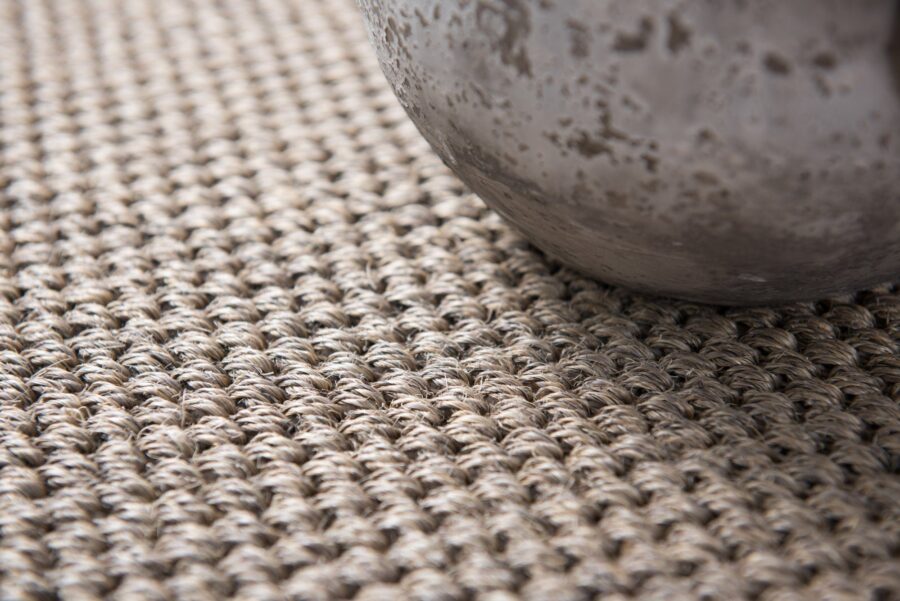
Types of Natural Carpets
Choose sisal or seagrass for durability and style, jute for softness in low-traffic rooms, coir for rugged entrances, and wool for warmth and luxury. They all need careful installation, breathable underlay, and are best avoided in damp spaces.
- Made from agave plant fibres.
- Very durable, textured, and can be dyed in many colours.
- Great for high-traffic areas like hallways and stairs.
- Harvested from coastal grasses, naturally stain-resistant and moisture-resistant.
- Smooth, slightly glossy finish.
- Best for living rooms and dining rooms, but not bathrooms due to humidity.
- Softer, with a warm, rustic look.
- Less durable than sisal or seagrass, so better for bedrooms or low-traffic spaces.
- Made from coconut husks, coarse and tough.
- Excellent for entrance mats or rustic interiors.
- Not ideal for comfort-focused rooms.
- A natural animal fibre, soft and insulating.
- Warm underfoot, resilient, and luxurious.
- Suitable for most rooms, though more expensive.


Considerations For Natural Flooring
- Maintenance: Natural fibres are less stain-resistant than synthetics. Seagrass resists spills better, but sisal and jute can stain easily.
- Cleaning: Avoid steam cleaning — use dry methods only.
- Cost: Can be more expensive than synthetic carpets, especially wool.
- Longevity: With proper care, sisal and wool last many years but jute wears faster.
| Type | Look & Feel | Durability & Warmth | Best Rooms | Key Considerations |
| Wool | Soft, luxurious, insulating. | Resilient, long-lasting, warmest. | Bedrooms, living rooms, stairs. | Rarely unsuitable except for damp rooms. More expensive. |
| Sisal | Textured, matte, can be dyed. | Very durable, cooler underfoot. | Hallways, stairs, living rooms. | Can stain easily; needs specialist fitting. Avoid damp rooms. |
| Jute | Soft, rustic, warm look. | Less durable, warmer than sisal/seagrass. | Bedrooms, low-traffic areas. | Prone to staining and wear, avoid high traffic areas. |
| Seagrass | Smooth, slightly glossy, natural tones. | Strong, stain resistant, cooler. | Dining rooms, living rooms. | Naturally moisture-resistant but not suitable for humid rooms. Avoid bathrooms & kitchens. |
| Coir | Coarse, rustic, natural brown. | Very tough, cooler. | Entrances, utility areas. | Scratchy texture, best for mats or a rustic style. |
Installation of Natural Fibre Carpets
Natural fibre carpets often require specialist fitting. They can expand/contract with humidity, so installers may use double-stick methods or latex backing. Specialist underlay also needs to be considered as it must be breathable to avoid trapping moisture. Felt or natural rubber underlays are common.