
The Complete LVT Flooring Guide (2026)
Luxury Vinyl Tile (LVT) has become one of the most popular flooring choices in modern homes because it combines the visual appearance of natural wood or stone with excellent durability, water resistance, and day-to-day practicality.
However, not all LVT floors perform the same once installed.
Two floors may look visually identical in a showroom, yet behave completely differently over time, depending on:
- subfloor preparation
- moisture levels
- installation quality
- product construction
- wear layer specification
- room usage
- underfloor heating compatibility
This guide explains how modern LVT flooring systems actually work, the differences between glue-down and click systems, why subfloor preparation matters so much, and how to choose the right LVT flooring for different rooms and lifestyles.
Whether you are planning a kitchen renovation, replacing flooring throughout a family home, or considering herringbone LVT for an open-plan extension, understanding the technical side of LVT can help you avoid expensive problems later.
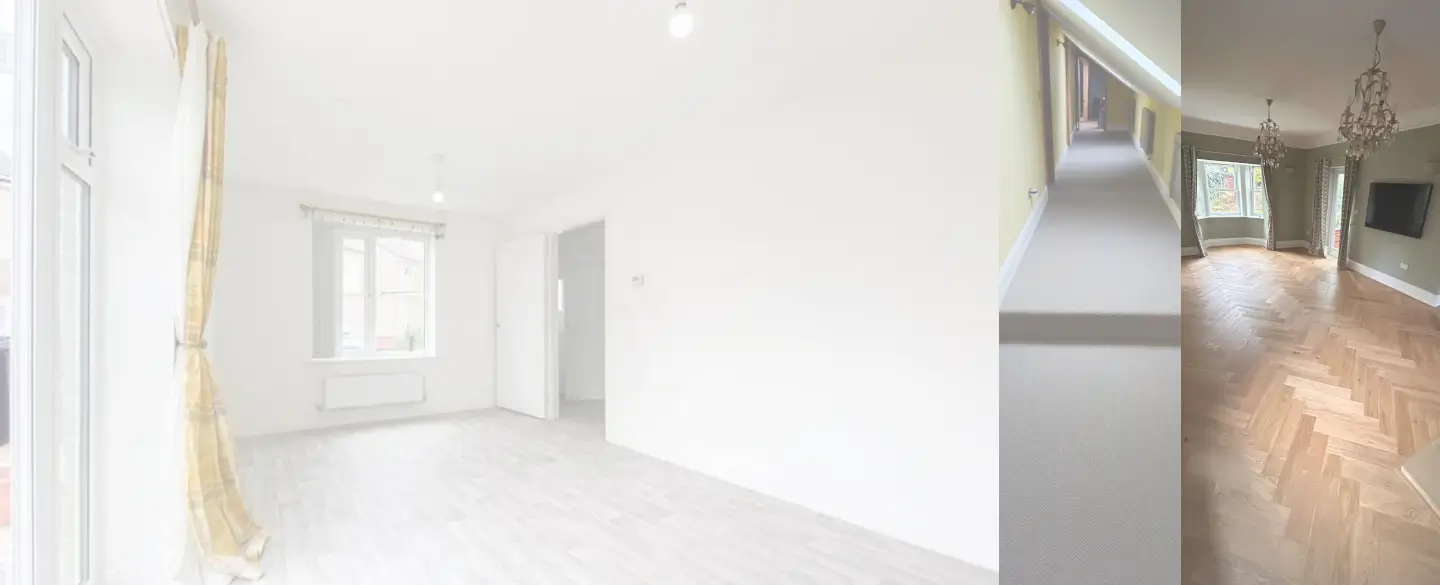
The 2026 LVT Master Guide
Expert advice for Wiltshire & Swindon homeowners
What Is LVT Flooring?
What Is LVT Flooring?
Luxury Vinyl Tile (LVT) is a multi-layered resilient flooring product designed to replicate the appearance of natural materials such as timber, parquet, slate, limestone, or concrete.
Modern LVT flooring combines several layers together:
- protective wear layer
- photographic design layer
- structural core
- stabilising backing layers
The result is a floor that is:
- highly durable
- quieter underfoot than laminate
- warmer than ceramic tiles
- suitable for underfloor heating
- resistant to moisture
- easier to maintain than many natural materials
Because LVT is dimensionally stable and highly versatile, it is now widely used throughout:
- kitchens
- hallways
- open-plan spaces
- bathrooms
- utility rooms
- apartments
- family homes
However, the quality of the installation underneath the floor is often more important than the visible product itself.
Why LVT Has Become So Popular
Why LVT Has Become So Popular
One of the biggest reasons homeowners choose LVT is that it suits how modern homes are actually used.
Unlike traditional timber flooring, LVT is designed to cope with:
- heavy daily traffic
- pets
- spills
- kitchen moisture
- temperature fluctuations
- busy family living
At the same time, modern embossed textures and matt finishes have dramatically improved realism. Many premium LVT floors now replicate the grain structure, knots, bevels and tonal variation found in real timber surprisingly convincingly.
This combination of practicality and appearance has made LVT particularly popular in:
- kitchen extensions
- open-plan living spaces
- modern new-build homes
- renovations
- family properties
- homes with underfloor heating
Glue-Down vs Click LVT
Glue-Down LVT
Bonded directly to the subfloor using specialist pressure-sensitive adhesives. This is the most stable and technically robust form of LVT installation.
Key Benefits
- Highly stable & architectural feel
- Excellent for large, continuous areas
- Ideal for precision herringbone
- Individual planks can be replaced
- Lower overall floor build-up
- Superior long-term performance
Click LVT (Rigid Core / SPC)
Uses an interlocking floating-floor system. Features a Rigid Stone Polymer Composite (SPC) core designed to bridge minor floor imperfections.
Key Benefits
- Faster, less disruptive installation
- Reduced subfloor prep in some cases
- Ideal for quick renovations
- Floating construction
- Easier uplift for future changes
Get an Instant LVT Quote in 60 Seconds
Dreaming of a flawless LVT or Herringbone floor? Upload your floorplan or enter your room sizes to get a realistic price range — including professional subfloor screeding, moisture testing, and expert installation.
No showroom guesswork. No hidden extras. Just clear, honest pricing for a designer finish that lasts a lifetime.
Understanding Wear Layers
Understanding Wear Layers
The wear layer is the transparent protective coating on top of the design layer. This is one of the biggest indicators of how durable the flooring will be over time.
Residential / Light Use 0.3mm
Typically found in entry-level products suited for quieter areas and lower traffic.
- Bedrooms
- Guest Rooms
- Occasional Use
The Residential Standard 0.5mm
The ideal balance between realism, durability, and long-term appearance retention.
- Kitchens
- Hallways
- Family Homes
- Open-Plan Spaces
Premium / High Traffic 0.55mm
Improved resistance to scratching and heavy-use family traffic patterns.
- Premium Residential
- Light Commercial
- Heavy-Use Homes
Commercial Grade 0.7mm
Maximum durability with improved embossed surface realism for heavy traffic environments.
- Retail
- Hospitality
- Commercial Settings
- Public Spaces
Herringbone LVT Flooring
Herringbone LVT Flooring
Herringbone LVT has become one of the fastest-growing flooring styles in the UK because it creates a far more architectural and premium appearance than standard straight plank layouts. However, installation is considerably more technical than many homeowners realise.
Why Preparation Matters
Small imperfections that go unnoticed with straight planks become highly visible with herringbone patterns.
- Floor flatness becomes critical
- Setting out must be extremely accurate
- Centre lines need careful planning
- Room geometry matters more
- Subfloor imperfections become amplified
Why It Costs More
The complexity of the pattern requires a higher level of craftsmanship and significantly more time.
- Significantly more labour
- Increased setting out time
- Higher material waste (typically 10%+)
- Intricate perimeter cutting
- Slower installation pace
Kitchens & Open-Plan Living
Kitchens & Open-Plan Living
LVT performs particularly well in kitchens and modern open-plan spaces because it combines moisture resistance with practical, everyday durability.
Kitchens & Utilities
Unlike laminate, properly installed LVT is highly resistant to:
- Spills & splashes
- Wet mopping
- Day-to-day moisture
- Fluctuating temperatures
Open-Plan Considerations
Larger spaces require additional technical planning:
- Expansion management
- Floor flatness (critical)
- Movement control
- Sunlight exposure
- Layout & sightline alignment
Long uninterrupted spaces require significantly more careful planning than individual rooms.
LVT Flooring Installation Areas
LVT Flooring Installation Areas
Based in Swindon, we supply and install luxury vinyl tile (LVT) flooring across Chippenham and Marlborough, helping homeowners create durable, waterproof floors that work across kitchens, extensions and open-plan living spaces.
Swindon (Main Hub)
Covering SN1–SN5 & SN25 from our Wroughton base
Professionally installed LVT with full subfloor preparation for long-term performance.
View Swindon Flooring Services → Explore LVT Flooring in Swindon →Chippenham
Serving SN14 & SN15 and surrounding areas
Ideal for kitchens, hallways and extensions where durability and water resistance matter.
View Chippenham Flooring Services → Explore LVT Flooring in Chippenham →Marlborough
Covering SN8, SN9 & RG17 and the Kennet Valley
High-performance LVT flooring suited to period homes and modern living spaces.
View Marlborough Flooring Services → Explore LVT Flooring in Marlborough → Moisture Testing & Subfloor Stability
Moisture Testing & Subfloor Stability
Scientific RH Testing
Concrete subfloors can retain moisture long after appearing dry. We use digital hygrometers to measure Relative Humidity (RH) levels.
Moisture-Related Failures
Installing without testing is a leading cause of flooring failure, contributing to:
- Adhesive breakdown & blistering
- Plank curling & movement
- Mould and subfloor integrity issues
- Compromised long-term performance
Anhydrite (Calcium Sulphate) Screeds
Common in Swindon and Wiltshire new-builds, these liquid screeds require specialist handling. If the dusty ‘laitance’ layer isn’t mechanically sanded, adhesives will fail to bond.
Underfloor Heating Compatibility
Underfloor Heating Compatibility
LVT is widely considered one of the best flooring choices for underfloor heating (UFH) systems. Its low thermal resistance ensures excellent heat transfer when installed correctly.
Benefits of LVT with UFH
- Efficient heat transfer
- Excellent dimensional stability
- Comfortable surface temperatures
- Compatible with modern screeds
Note: Specific adhesives must be used for heated floor environments.
Temperature Control
Most manufacturers recommend a maximum surface temperature of 27°C.
Gradual commissioning and stable temperature management are essential to minimise the risk of excessive movement.
24-Hour Acclimatisation Mandatory
LVT is a thermoplastic product that naturally expands and contracts with temperature changes. Fitting the floor immediately after delivery is a common cause of poor-quality installations.
The Standard: LVT must be stored flat in the installation room for at least 24 hours at a normal lived-in temperature.
LVT vs Laminate Flooring
While they may look similar visually, these two products behave very differently in a home environment.
LVT Advantages
- Significantly quieter underfoot
- Superior moisture resistance
- High dimensional stability
- Softer, warmer feel underfoot
- Ideal for bathrooms and kitchens
Laminate Advantages
- Traditional “thicker board” feel
- Excellent scratch resistance
- Strong overall value for money
- Highly realistic timber textures
- Fast and efficient installation
The best choice depends heavily on how the room is used and the specific requirements of your subfloor.
What Happens Next?
The Avana ProcessLarge-scale samples brought directly to your home or office.
RH moisture testing and precision subfloor leveling analysis.
Expert advice on layout, pattern choice, and wear layers.
Transparent project costs with absolutely no hidden extras.
Common LVT Problems
Common LVT Problems
Most LVT problems are not caused by the product itself. They are usually linked to technical failures during the planning or installation phase.
Primary Causes
- Poor subfloor preparation
- Incorrect installation methods
- Excessive subfloor moisture
- Unsuitable adhesive selection
- Inadequate acclimatisation
Common Failures
- Lifting edges & peaking
- Visible joints & gapping
- Hollow sounding sections
- Excessive movement
- Shadowing & telegraphing
- Adhesive breakdown
- Uneven surface wear
LVT Maintenance & Aftercare
LVT Maintenance & Aftercare
Proper maintenance helps preserve both the appearance and long-term durability of your LVT flooring. Fortunately, modern LVT is generally very easy to maintain compared to many natural flooring materials.
Everyday Cleaning
- Regular sweeping or vacuuming
- Damp mopping (pH-neutral)
- Prompt removal of grit/debris
This prevents fine surface scratching and keeps the finish looking sharp.
Furniture Protection
Use protective pads beneath furniture legs to reduce scratching and indentation.
Steam Mops & Moisture
While LVT is highly moisture resistant, excessive heat and prolonged steam exposure are not always recommended.
Typical LVT Flooring Costs
Typical LVT Flooring Costs
Typical Investment
£65 – £95 per m²
Fully Supplied & Professionally Fitted
Project pricing varies based on:
- Plank style & Brand
- Herringbone layouts
- Wear layer thickness
- Preparation requirements
- Room complexity
- Subfloor condition
Professional LVT Installation Standards
Professional LVT Installation Standards
The Avana Installation Standard
Carried out in line with BS 8203:2017 recommendations
- Moisture Testing
- Subfloor Assessment
- Smoothing & Levelling
- Controlled Acclimatisation
- Correct Adhesive Systems
- Precision Installation
Frequently Asked Questions
Frequently Asked Questions
Usually yes — but only after priming and applying smoothing compound to prevent grout lines ghosting.
Yes. The synthetic core will not swell or rot, making it suitable for kitchens and bathrooms.
Use a pH-neutral cleaner and damp mop. Avoid steam mops as intense heat can affect the adhesive bond over time.
Most residential LVT installations are completed within 1–2 days, depending on room size and the amount of subfloor preparation required. Larger or highly detailed projects such as herringbone or border work may take slightly longer.
Yes. Commercial-grade LVT with appropriate wear layers and correct adhesive systems is ideal for shops, offices, and high-traffic domestic spaces. Proper subfloor preparation is critical for long-term performance.
High-quality LVT contains UV-stable wear layers that significantly reduce fading. In rooms with large glazing or strong sunlight, we use high-temperature adhesives and advise on suitable product selections.
Yes. One of LVT’s major advantages is repairability. Individual planks or tiles can be carefully removed and replaced without lifting the entire floor, when installed using the correct adhesive system.